Minimalism in interior design is often misunderstood as emptiness. In reality, it's about intentional curation — every element must earn its place through function, beauty, or both.
Less, but Better
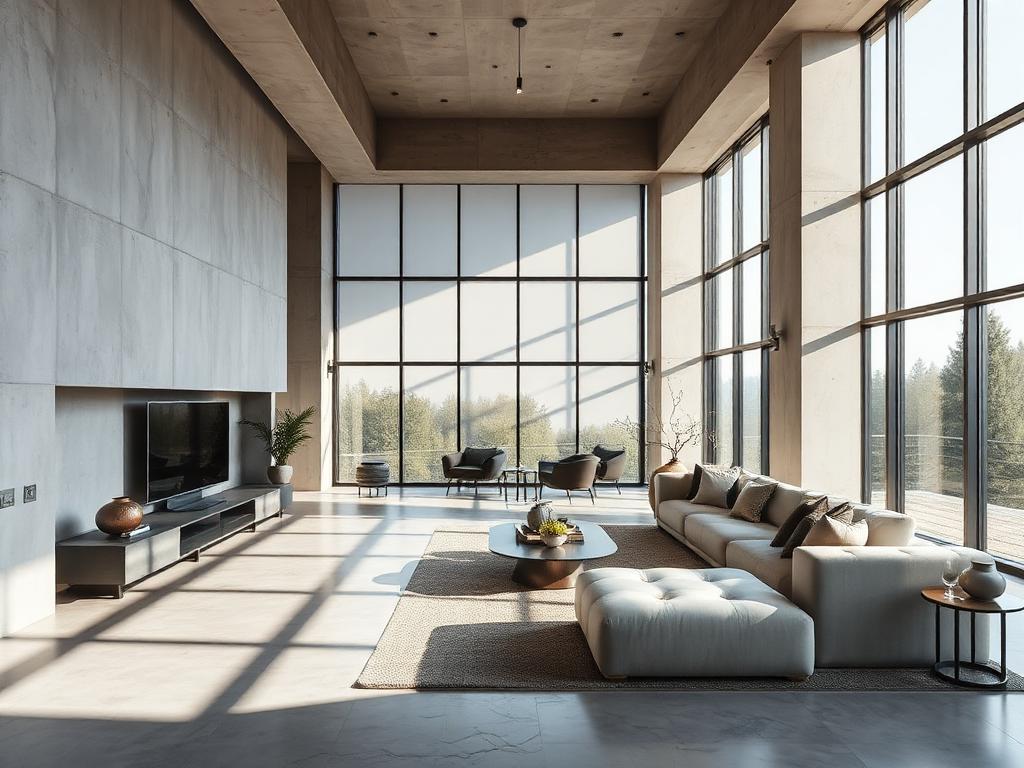
The minimalist interior begins with the architecture itself. When walls, floors, and ceilings are treated as the primary design elements, fewer additions are needed. A beautifully finished concrete wall or a meticulously crafted timber floor becomes the focal point.
At APdS, we design our interiors as extensions of the architectural concept — not afterthoughts. The spatial qualities, light patterns, and material textures established in the architecture carry through every decision.
The Role of Light
Natural light is the most powerful design tool in a minimalist space. The angle, intensity, and colour of sunlight changes throughout the day, creating a living interior that shifts and evolves. We design window openings as carefully as we design furniture layouts.
Artificial lighting in minimalist spaces must be equally considered. Concealed linear lighting, carefully positioned task lights, and the occasional sculptural pendant create layers of illumination that can transform a room's atmosphere.
Materiality Over Decoration
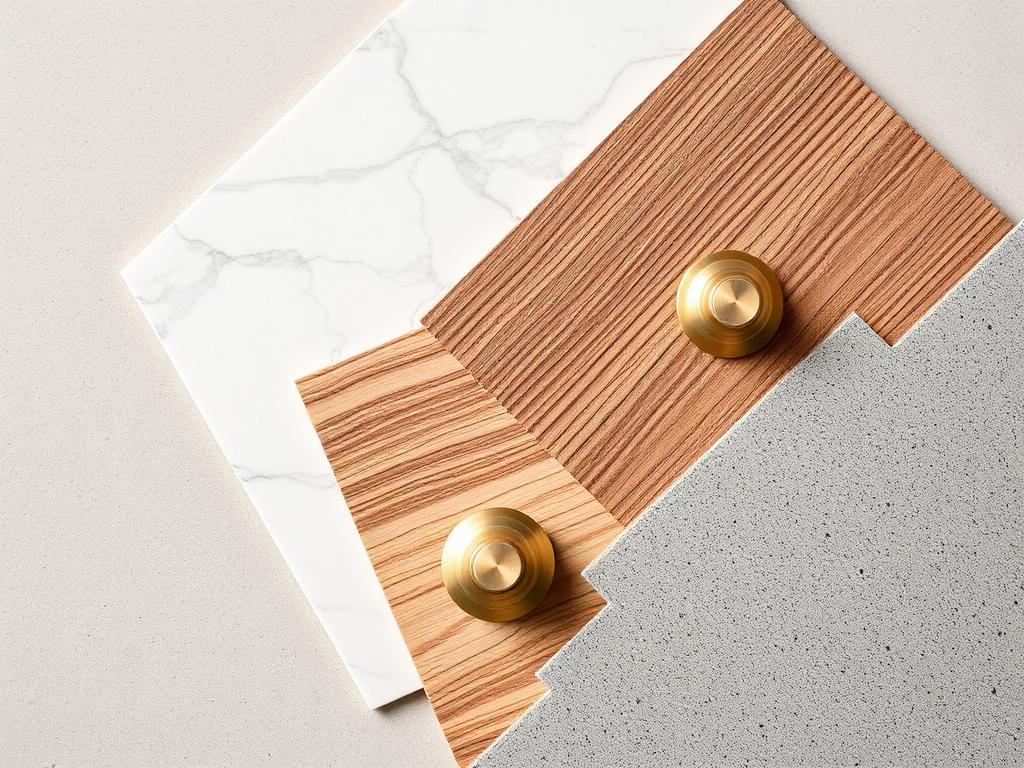
In a minimalist interior, every material must be exceptional. We specify materials that age gracefully — that develop patina and character over time rather than deteriorating. Natural stone, solid timber, brushed metals, and handcrafted ceramics all improve with age.