Urban masterplanning is perhaps the most complex challenge in architecture. It requires us to think beyond individual buildings and consider the intricate web of relationships between spaces, people, infrastructure, and nature.
People-First Planning
Every successful masterplan we've delivered started with extensive community engagement. Understanding how people actually move through, gather in, and interact with urban spaces is essential. Data informs our decisions, but empathy drives our design.
We map pedestrian desire lines, study existing community patterns, and identify the informal gathering spaces that already work. Good masterplanning amplifies what's already positive about a place.
The 15-Minute City
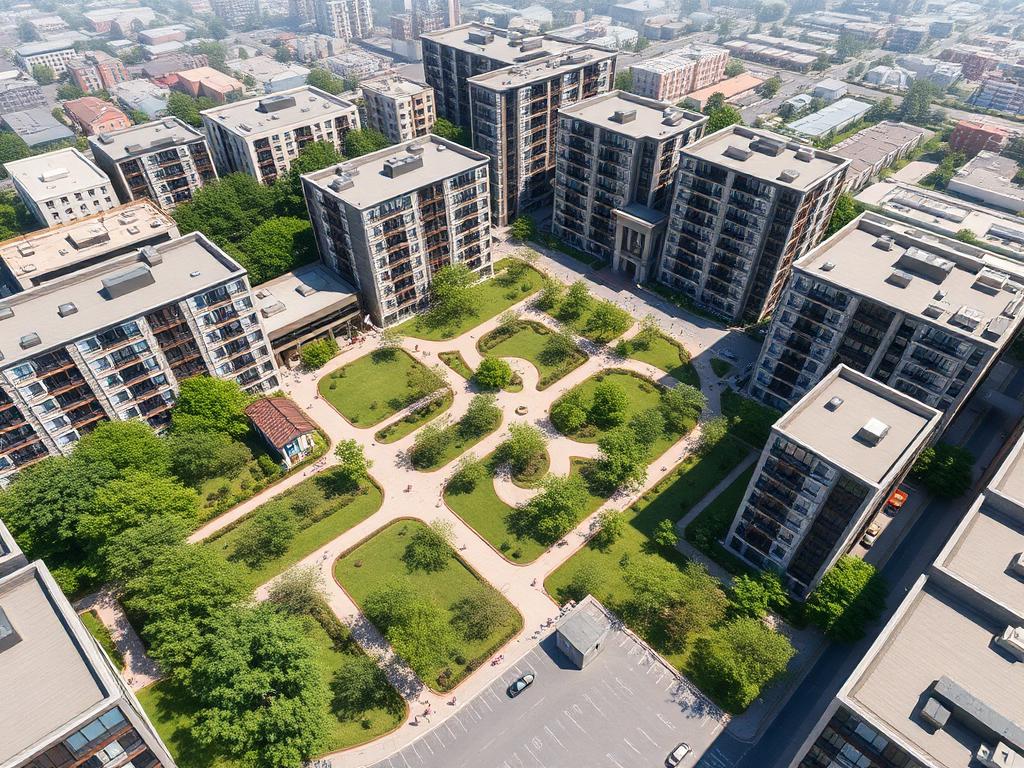
The concept of the 15-minute city — where daily necessities are within a short walk or cycle — is central to our urban design philosophy. Mixed-use developments that integrate living, working, shopping, and recreation create vibrant, resilient communities.
Our masterplans prioritise pedestrian and cycling infrastructure, public transport integration, and generous public spaces. Cars are accommodated but not prioritised.
Green Infrastructure
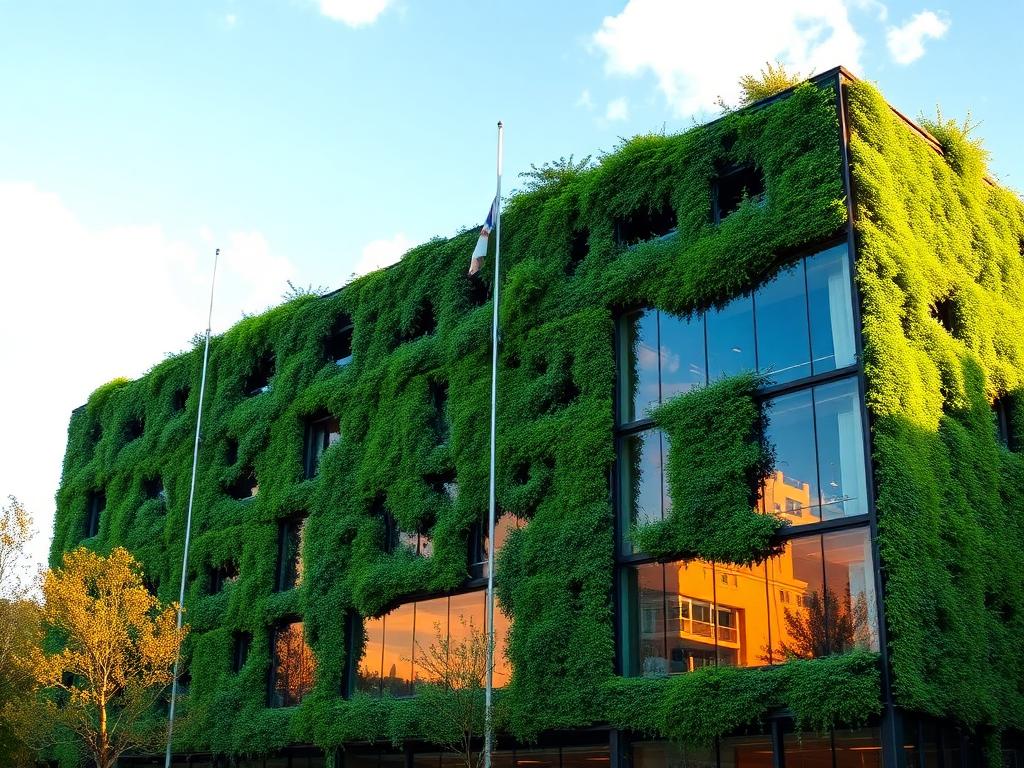
Urban green spaces are not amenities — they're infrastructure. Parks, street trees, rain gardens, and green corridors manage stormwater, reduce urban heat islands, improve air quality, and support mental health. We design them as essential systems, not decorative additions.