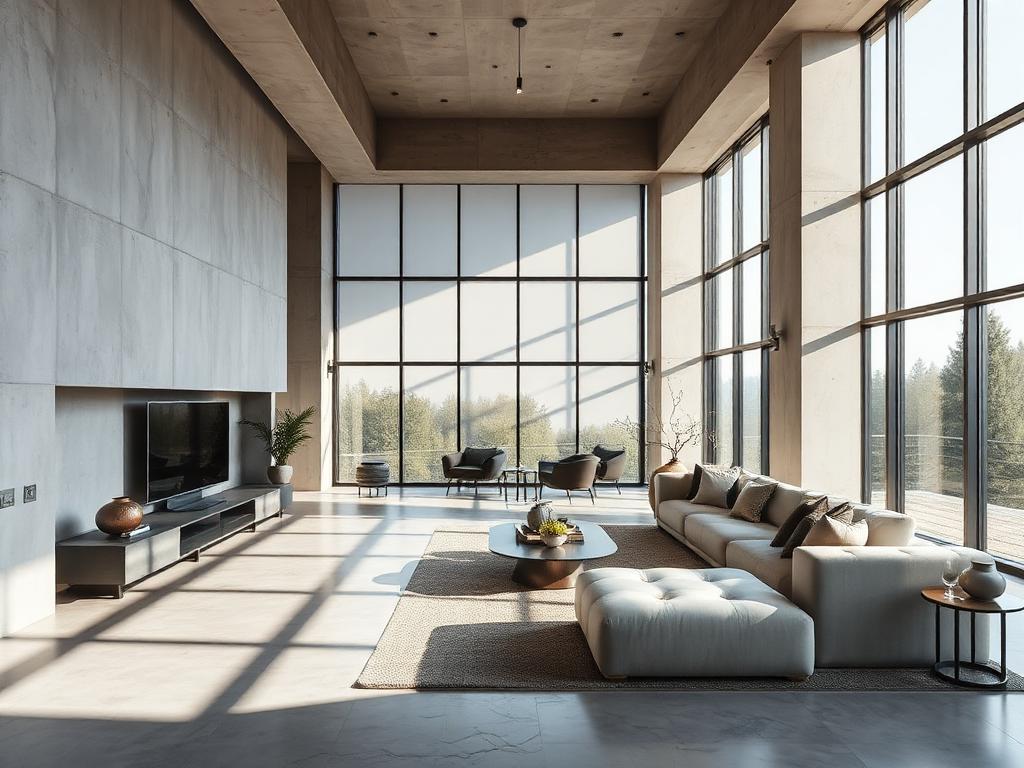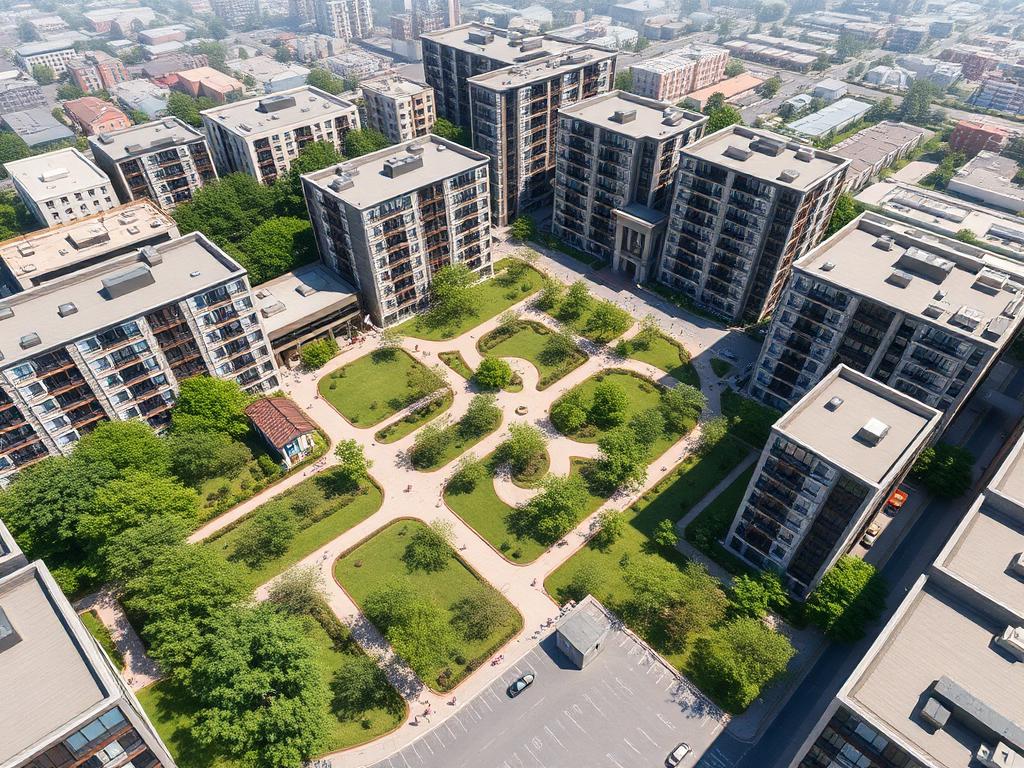
Sustainability in architecture has evolved far beyond solar panels and recycled materials. Today, we're witnessing a fundamental shift in how buildings interact with their natural surroundings — and it's transforming cities worldwide.
Biophilic Design: Reconnecting With Nature
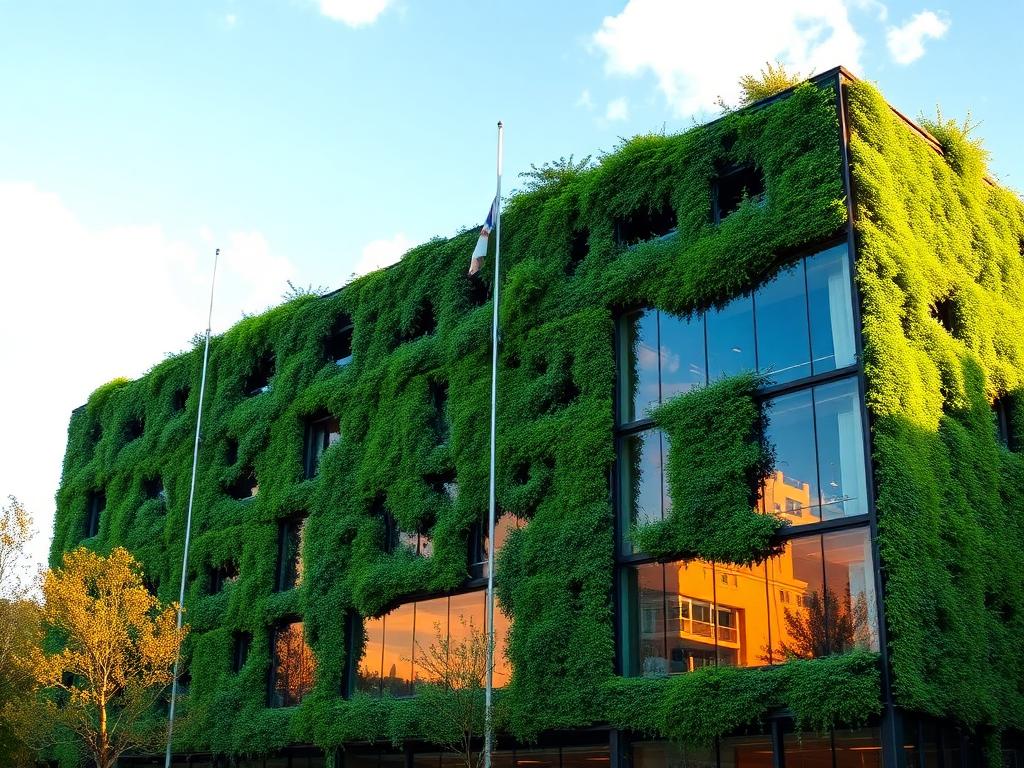
At APdS Architects, we believe that the most sustainable building is one that actively contributes to its ecosystem. Living walls, green roofs, and integrated planting systems don't just reduce a building's carbon footprint — they create healthier, more productive environments for the people who inhabit them.
Our recent projects have demonstrated measurable improvements in air quality, thermal regulation, and occupant wellbeing through strategic integration of natural elements. A green facade can reduce a building's cooling load by up to 30%, while providing habitat for urban wildlife.
Material Innovation
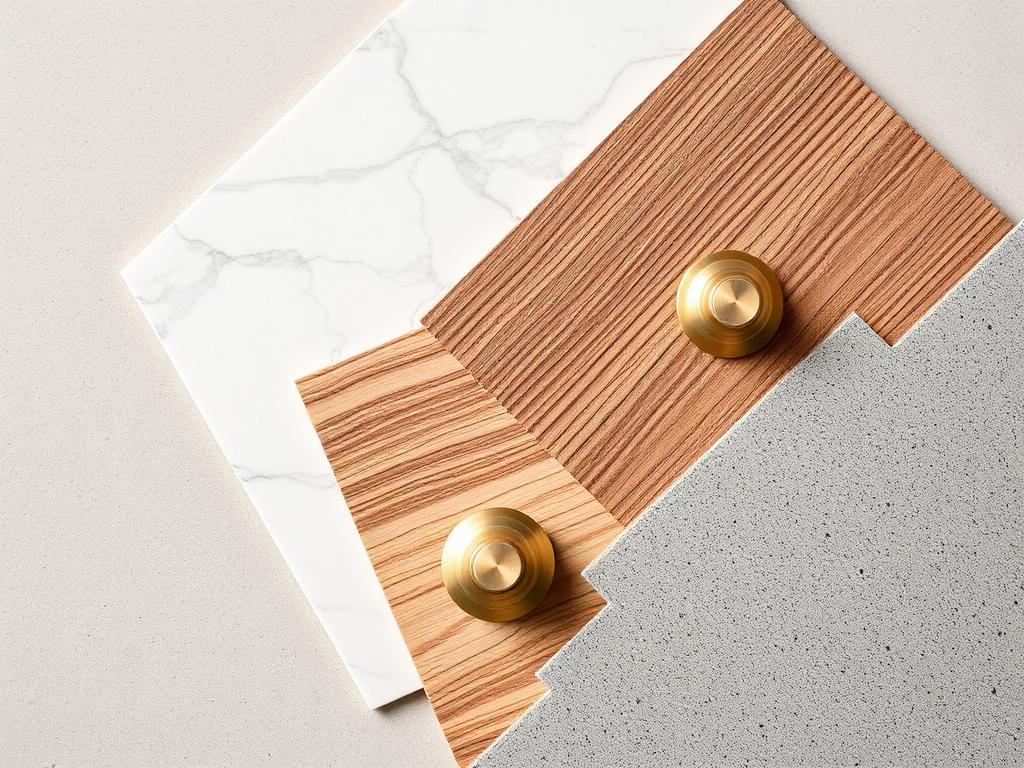
Cross-laminated timber, hempcrete, and mycelium-based insulation are no longer experimental — they're becoming standard in our practice. These materials sequester carbon rather than emit it, fundamentally changing the equation of construction impact.
We've found that clients are increasingly drawn to these materials not just for their environmental credentials, but for the warmth and character they bring to spaces. Sustainability and beauty are not competing priorities.
The Circular Economy in Construction
Design for disassembly is a principle we embed from the earliest concept stage. Buildings should be designed as material banks — with components that can be reused, recycled, or returned to biological cycles at end of life.
This approach requires a shift in thinking from buildings as permanent fixtures to buildings as temporary arrangements of valuable resources. It changes how we detail connections, specify materials, and document our designs.