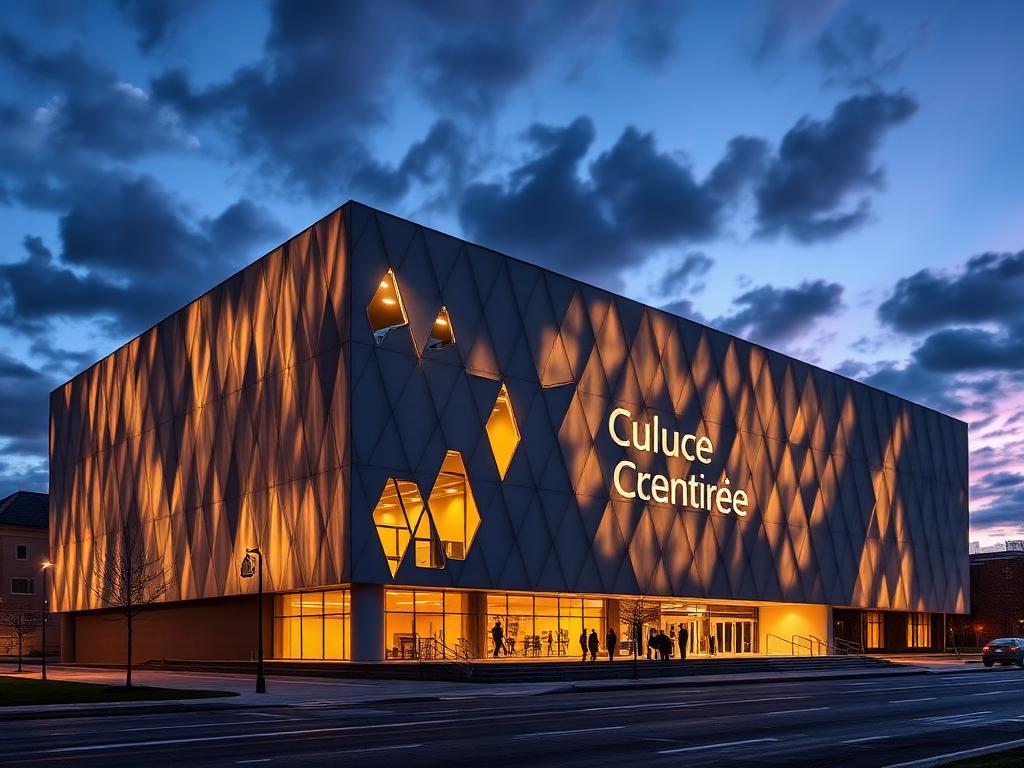
Cultural buildings — museums, theatres, libraries, galleries — carry a unique responsibility. They must serve their functional brief while also embodying the values and aspirations of the communities they serve.
Beyond the Icon
The era of the "iconic" cultural building — a spectacular sculptural form designed primarily for visual impact — is giving way to something more nuanced. Today's best cultural buildings are deeply rooted in their context, responsive to their communities, and designed to evolve over time.
Our approach to cultural architecture prioritises flexibility, accessibility, and civic generosity. A cultural building should welcome everyone, not just art enthusiasts or theatre-goers.
The Public Realm
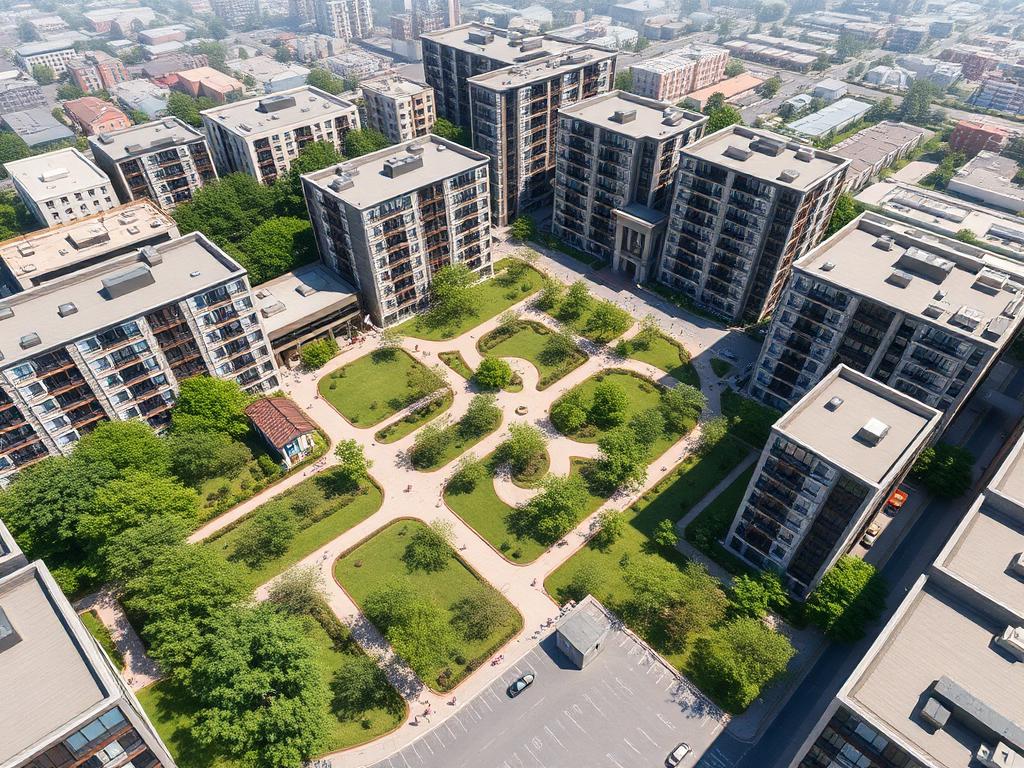
The space around a cultural building is as important as the building itself. Generous foyers, outdoor performance spaces, café terraces, and landscaped grounds extend the cultural experience beyond the gallery walls.
We design these threshold spaces to be active throughout the day — places where people naturally gather, where children play, and where the boundary between building and city dissolves.
Catalysing Regeneration
A well-designed cultural building can transform its wider neighbourhood. It attracts visitors, stimulates local businesses, inspires neighbouring developments, and instils civic pride. But this catalytic effect must be planned for — it doesn't happen automatically.